
The Allure of Chance and Uncertainty
The inherent allure of casino games lies in their foundation of chance and uncertainty, presenting players with an exciting gamble. This unpredictability creates a psychological thrill as individuals engage with the games, making every spin of the wheel or flip of a card a new experience filled with potential rewards. Many enthusiasts also explore betting sites australia to enhance their gaming experience, seeking out new ways to maximize the excitement that comes from not knowing the outcome, which keeps players returning, hoping to strike it lucky, feeding into their desire for risk and adventure. This sensation of uncertainty can be intoxicating, as it taps into the human psyche’s love for surprises and the unknown.
Moreover, the psychology of risk-taking plays a significant role here. Engaging in games of chance can stimulate the brain’s reward system, allowing players to feel an adrenaline rush. This feeling can become addictive, driving players to seek out those high-stakes situations. The possibility of winning big can cloud judgment, leading individuals to take risks they might normally avoid. This illustrates the complex interplay between risk perception and decision-making in gambling environments, where the thrill of potential gain overshadows the prospect of loss.
Lastly, the psychological phenomena known as the “gambler’s fallacy” further complicates the allure of casino games. Many players believe that past outcomes can influence future results, despite each game being independent. For example, if a player experiences a series of losses, they often convince themselves that a win is overdue. This cognitive bias not only reinforces their engagement but also keeps them in a cycle of play, seeking that elusive win which they believe is just around the corner. It highlights how our cognitive processes can lead us astray, making it essential for players to understand these biases to navigate their gambling experiences more wisely.
The Role of Environment in Gambling Behavior
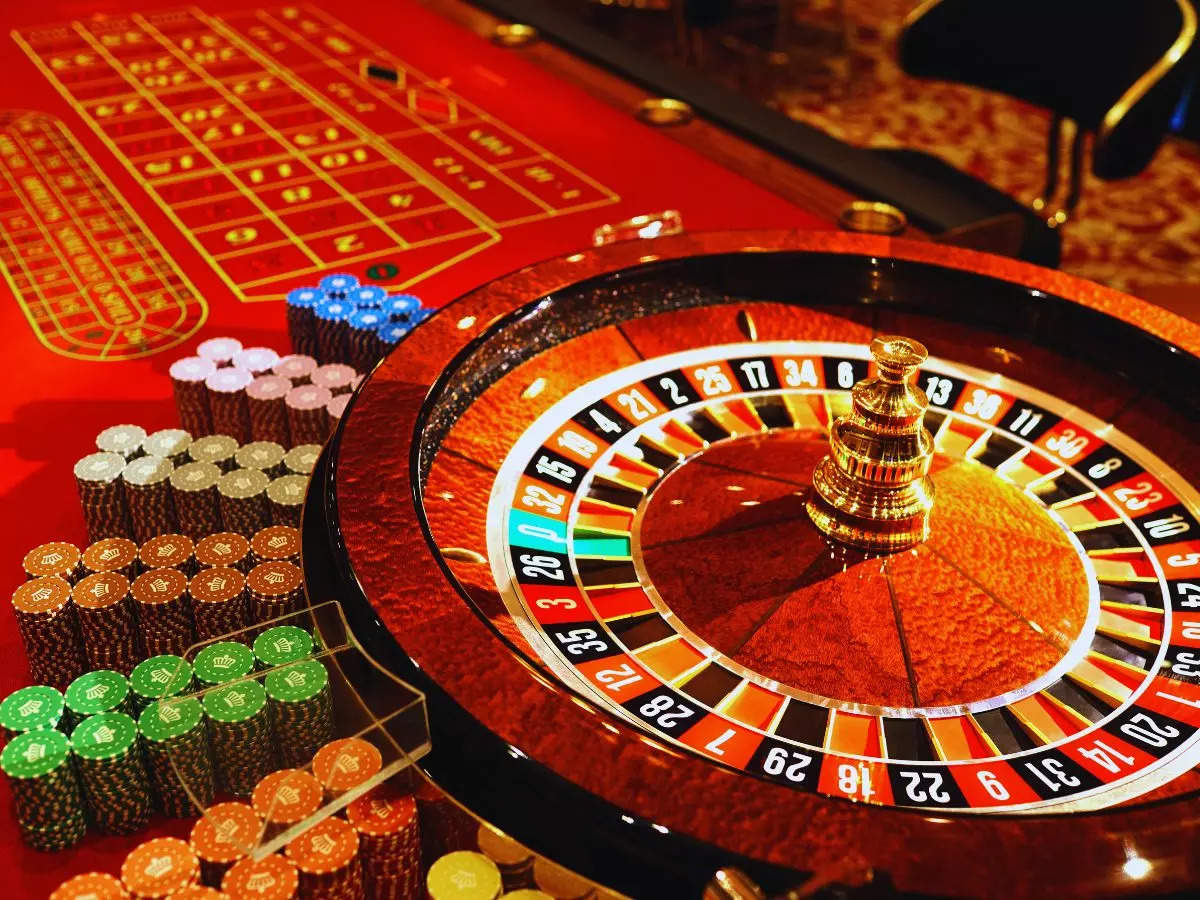
The environment within a casino significantly impacts players’ psychological responses and behaviors. Bright lights, vibrant colors, and the sounds of spinning reels or clinking coins create an immersive atmosphere designed to heighten excitement. Casinos are purposefully designed to be stimulating, making it easy for players to lose track of time. This sensory overload can lead to prolonged play, as players find themselves captivated by their surroundings and the social energy that permeates the space. The design of the casino is a critical element in how players interact with the games and each other.
Additionally, strategic layout plays a vital role in guiding player behavior. The positioning of machines and tables encourages movement through the space, often leading players into densely packed areas filled with action. This design is intentional, creating a social environment around the games. Players may feel encouraged to engage with others and share experiences, enhancing social interactions that can further reinforce their desire to return to these environments. The combination of social engagement and the thrill of the games contributes to a compelling atmosphere that draws players in.
Furthermore, the presence of complimentary services, such as free drinks or meals, significantly influences player engagement. These perks create a sense of reward and value, quietly persuading players to stay longer. This idea of reciprocity—where individuals feel obligated to return the favor after receiving something—can result in continued gambling, even when it goes against their initial intentions. By understanding these environmental cues, one can see how they effectively manipulate psychological responses to maintain player interest and increase overall gambling behavior, further emphasizing the need for awareness in such stimulating environments.
The Psychological Impact of Winning and Losing
The rollercoaster of emotions experienced during gambling is a powerful psychological component that influences future behavior. Winning can create a euphoric state, often referred to as “the high of the win.” This rush can lead players to chase their next victory, reinforcing the behavior and potentially leading to overindulgence. The immediate gratification of winning can overshadow rational thinking, pushing players to stay engaged even when they face potential losses. This phenomenon highlights the complex relationship between emotional responses and decision-making in gambling.
Conversely, the experience of losing can evoke a range of responses, from frustration to determination. Many players engage in “chasing losses,” where they attempt to recover lost money by betting larger amounts. This behavior is rooted in the psychological concept of loss aversion, where the fear of losing is more powerful than the satisfaction of winning. As players become fixated on regaining lost amounts, they may find themselves trapped in a cycle of increased risk-taking, drawn deeper into the gambling experience. Understanding this cycle is crucial for recognizing how emotions can dictate gambling behavior.
The psychological aftermath of gambling can also have long-term implications. Those who experience frequent wins may develop an inflated sense of confidence, leading them to believe they have more control over outcomes than they truly do. This misconception can perpetuate continued play, resulting in a distorted understanding of chance and probability. Conversely, those who repeatedly lose may experience feelings of shame or regret, potentially deterring them from returning. Understanding these emotional impacts can provide valuable insights into the behaviors exhibited by gamblers, emphasizing the importance of emotional intelligence in gaming contexts.
The Influence of Cognitive Bias on Gambling Decisions
Cognitive biases play a significant role in shaping how players approach gambling games. For instance, the illusion of control is a common bias where individuals believe they can influence game outcomes through skill or strategy when, in fact, many games are purely based on luck. This belief can lead to overconfidence in one’s abilities, causing players to engage in riskier betting or to play for extended periods. Recognizing this bias can shed light on why certain players might make illogical decisions during gameplay, often leading to negative financial consequences.

Another prevalent cognitive bias is the confirmation bias, where individuals seek information that supports their beliefs while disregarding information that contradicts them. In gambling, this can manifest when players selectively remember their wins while downplaying their losses. This selective memory reinforces the illusion of winning streaks and can further encourage continued gambling, often leading to negative consequences for the player’s financial and mental well-being. Understanding this bias can help players develop a more accurate perspective on their gambling habits.
Lastly, players may experience an escalation of commitment bias. Once individuals have invested time and money into gambling, they feel compelled to continue in hopes of recouping their losses. This phenomenon is prevalent in various behavioral economics scenarios and illustrates how cognitive biases can lead to decision-making that is contrary to a player’s best interests. By actively understanding these biases, players may work towards more balanced approaches and make more informed decisions regarding their gambling habits, ultimately promoting a healthier relationship with gaming.
Enhancing Awareness and Responsible Gambling
As awareness of the psychological factors at play in casino games increases, it’s essential to promote responsible gambling practices. Understanding one’s triggers, limits, and the psychology behind gambling can empower individuals to make better choices. Educational campaigns within casinos can help players become more aware of the underlying psychological tactics employed to draw them in, encouraging a more mindful approach to gambling. This knowledge can foster a sense of control and responsibility among players.
Responsible gambling initiatives can also provide tools and resources, such as self-exclusion programs, to assist individuals in managing their gambling habits. Support systems, including counseling services and hotlines for those struggling with gambling addiction, can create a safer environment for players. Furthermore, promoting the importance of setting financial limits before engaging in gambling can foster a healthier gaming experience. By integrating these resources into the gambling environment, operators can help mitigate risks and enhance player awareness.
Ultimately, increasing awareness around the psychology of gambling is crucial for both players and operators. By integrating responsible gambling practices into the casino environment, operators can help mitigate the risks associated with gambling while ensuring that entertainment remains the primary focus. Enhanced awareness can lead to a more balanced relationship between the thrill of gambling and the need for self-control and responsibility. This commitment to responsible gaming can create a more sustainable and enjoyable gaming experience for all involved.


