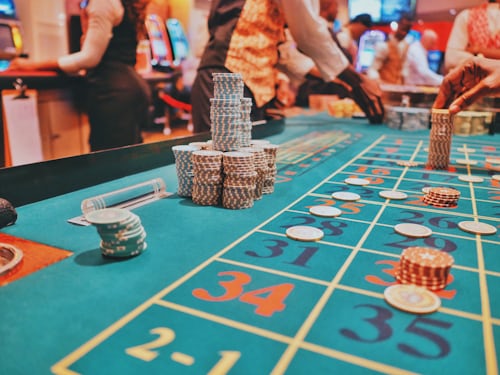
The allure of gambling: Understanding the draw
The attraction of casino gambling is multifaceted and deeply rooted in human psychology. For many individuals, the thrill of uncertainty plays a pivotal role in their decision to gamble. The element of chance creates an adrenaline rush that stimulates the brain’s reward system. This can lead to feelings reminiscent of excitement and euphoria as players anticipate potential wins at neosurf australia casino . As a result, this psychological stimulation acts as a powerful motivator, prompting individuals to frequently return to the gaming floor in pursuit of the next exhilarating experience.
Moreover, the social aspect of gambling cannot be underestimated. Casinos often serve as vibrant social hubs where individuals gather to enjoy shared experiences. The communal activity of playing games like poker or roulette fosters a sense of belonging and camaraderie among players. Consequently, this social interaction enhances positive emotions associated with gambling, encouraging repeated participation. The dynamic environment created by fellow gamblers can amplify the overall thrill, making it a compelling pastime for those seeking connection and excitement.
Lastly, the illusion of control is another psychological factor that plays a significant role in gambling behavior. Many players believe that they can influence the outcome of games through skill or strategy, even in games that are predominantly based on chance. This false sense of agency can enhance engagement and increase the frequency of play. For instance, a poker player might feel confident in their ability to outsmart opponents, leading them to place higher bets, which further intensifies the gaming experience. Thus, the combination of thrill, social interaction, and perceived control creates a potent mix that captivates players.
The impact of environment on gambling behavior
The casino environment itself is meticulously designed to enhance the gaming experience and maximize player involvement. From the moment individuals step onto the gaming floor, they are enveloped in sensory stimuli, including vibrant lights, captivating sounds, and enticing scents, which all work together to create an immersive atmosphere. This combination can heighten arousal and focus, making individuals more likely to engage in gambling activities. For instance, the sound of coins clinking or the celebratory noises of winners can foster excitement and draw players into the gaming action.
The layout of casinos also plays a critical role in influencing behavior. Many casinos are structured to encourage prolonged play; slot machines and table games are often strategically placed to minimize disturbances and create an uninterrupted flow of activity. This design not only keeps players immersed but also capitalizes on their natural tendencies to lose track of time and money. As players become more engrossed, they may find it harder to step away, leading to extended gaming sessions and increased expenditures.

Additionally, the availability of complementary services, such as free drinks and food, reinforces the addictive nature of gambling. These incentives can create an environment where players feel pampered and valued, further encouraging them to remain on the gaming floor. The offering of rewards can subconsciously signal to players that they are part of an exclusive club, enhancing their experience and prompting them to continue gambling. In essence, the holistic environment of a casino is designed to amplify engagement and foster compulsive behavior.
The role of cognitive biases in gambling decisions
Cognitive biases significantly influence gambling decisions and contribute to the persistence of gambling behavior among individuals. One of the most notable biases is the gambler’s fallacy, which is the belief that past events can influence future outcomes in random games. For example, if a player observes a series of losses on a slot machine, they may erroneously believe that a win is “due,” leading them to continue playing with greater urgency. This irrational thinking can result in increased betting and extended gambling sessions, often leading to financial losses.
Another common cognitive bias among gamblers is confirmation bias, where individuals selectively focus on information that supports their beliefs while disregarding evidence that contradicts them. A player might remember their wins while downplaying losses, reinforcing the idea that they are fortunate or skilled at gambling. This skewed perception can fuel a cycle of continued play, as the individual feels justified in their gambling habits and becomes less aware of the risks involved.
Furthermore, the illusion of invulnerability often leads gamblers to underestimate their risk of developing problematic gambling behaviors. Many individuals believe that such issues occur to others and not themselves, which can perpetuate risky gambling practices. Acknowledging these cognitive biases is essential in understanding how they contribute to gambling addiction and can help in developing strategies to promote responsible gambling behaviors.
Emotional regulation and its connection to gambling
Emotional regulation plays a significant role in the gambling experience, as many individuals turn to casinos as a form of escapism or coping mechanism. Gambling can provide a temporary respite from stress, anxiety, or depression, as players become absorbed in the excitement of games. This emotional distraction can be appealing, allowing individuals to temporarily forget their problems and immerse themselves in a world of chance and possibility. However, this behavior can lead to problematic gambling, as individuals may increasingly rely on gambling to manage their emotions.

Moreover, the highs and lows of gambling can create a rollercoaster of emotions that some find addictive. Winning induces feelings of elation and achievement, while losing can trigger despair and frustration. This emotional volatility can lead to a cycle where individuals chase losses in hopes of recapturing feelings of joy, causing them to gamble more aggressively. The desire to experience those “high” moments can overshadow the rationale of financial responsibility, resulting in detrimental patterns of behavior.
Additionally, the role of peer influence in emotional regulation cannot be overlooked. Social dynamics surrounding gambling can encourage individuals to engage in this behavior, particularly in group settings where the excitement is contagious. Individuals may feel pressured to join in on gambling activities as a means of fitting in or bonding with friends. This social reinforcement can further complicate an already delicate relationship with gambling, highlighting the importance of understanding the emotional drivers behind gambling behavior.
Responsible gambling and awareness resources
Recognizing the psychological complexities of casino gambling is crucial for developing effective responsible gambling measures. Various organizations and resources are dedicated to promoting awareness and providing support for those affected by gambling addiction. These resources aim to educate individuals about gambling risks and offer strategies that can help mitigate the negative impacts associated with problem gambling. Understanding the psychology behind gambling can empower individuals to make informed decisions and recognize when they may need help.
It is essential for casinos to foster a culture of responsible gambling by implementing policies that promote awareness and provide assistance. These can include self-exclusion programs, where individuals can voluntarily restrict their gambling activities, and resources for problem gambling treatment. By creating an environment that prioritizes responsible gambling, casinos can contribute to the well-being of their patrons while maintaining their business interests.
For those seeking support, numerous hotlines and online platforms provide confidential assistance to individuals struggling with gambling addiction. These resources offer guidance, counseling, and community support, emphasizing that individuals do not have to navigate their challenges alone. By utilizing these services, individuals can address their gambling behaviors and work towards healthier habits. Understanding the psychological underpinnings of gambling is a vital step in creating a safer and more responsible gambling environment.